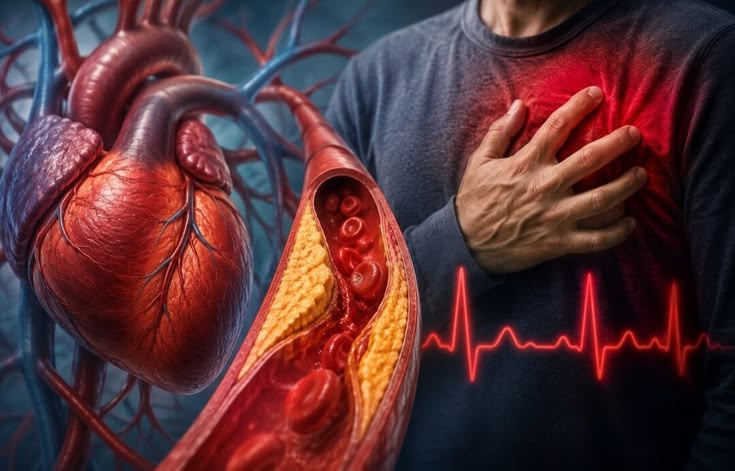
World Heart Day: Know the Warning Signs of Heart Problems Before They Become an Emergency
September is a month of changing weather, changing routines and, for many people, the return to a more regular work and school schedule after the monsoon. It is also the month when attention turns toward an important health message: heart health.
World Heart Day, observed on September 29, provides an opportunity to think beyond cholesterol reports and blood-pressure numbers. Heart health is also about recognizing symptoms, understanding risk factors and knowing when a seemingly ordinary discomfort requires urgent medical attention.
A heart problem does not always begin with dramatic chest pain. Some symptoms can be subtle, especially in women, older adults and people with diabetes.
Knowing the warning signs could help you respond faster when it matters.
What Does a Healthy Heart Need?
The heart works continuously to pump blood throughout the body. It depends on healthy blood vessels, adequate oxygen supply and proper electrical activity.
Several factors influence cardiovascular health, including:
- Blood pressure
- Cholesterol levels
- Blood sugar
- Body weight
- Physical activity
- Diet
- Smoking
- Alcohol consumption
- Sleep
- Stress
- Family history
- Age
Some risk factors cannot be changed, such as age and family history. Others can be addressed through lifestyle changes and medical care.
This is why preventive health matters.
What Are the Warning Signs of a Heart Problem?
Chest discomfort is one of the symptoms people commonly associate with heart disease, but it can appear in different ways.
Some people describe:
- Pressure or heaviness in the chest
- Tightness
- Burning or discomfort
- Pain spreading to the arm, shoulder, back, neck or jaw
- Breathlessness
- Sudden sweating
- Nausea
- Unusual weakness
- Dizziness
Symptoms may occur during physical activity or at rest.
Importantly, not every chest pain is caused by the heart. Acidity, muscle pain, anxiety and other conditions can also cause chest discomfort.
However, it is dangerous to assume that chest discomfort is “just gas” without considering the overall symptoms and risk factors.
Heart Attack Symptoms Are Not Always Dramatic
Movies often portray heart attacks as sudden, severe chest pain. Real-life symptoms can be less obvious.
Some people may experience unusual tiredness, breathlessness, sweating, nausea or discomfort in the upper body.
Women may sometimes experience symptoms that are less typical than the classic description of crushing chest pain.
Older adults and people with diabetes may also have less obvious symptoms.
That is why awareness is important.
If symptoms suggest a possible heart attack, do not wait to see whether they disappear on their own.
When Is Chest Pain an Emergency?
Seek emergency medical care if chest discomfort is:
- New and unexplained
- Severe or persistent
- Associated with breathlessness
- Associated with sweating or nausea
- Spreading to the arm, jaw, shoulder or back
- Accompanied by fainting or severe weakness
- Occurring in someone with known heart disease or significant cardiovascular risk factors
Do not drive yourself if you are experiencing potentially serious symptoms. Emergency medical assistance is safer.
High Blood Pressure: The Silent Risk Factor
High blood pressure is often called a “silent” condition because many people may not notice symptoms.
A person can feel completely normal while having elevated blood pressure.
Over time, uncontrolled hypertension can increase the risk of cardiovascular disease and other complications.
This is why periodic blood-pressure checks are important, particularly for adults with risk factors or a family history of hypertension.
A single reading may not tell the entire story. If a reading is unexpectedly high, a doctor may recommend repeat measurements or additional monitoring.
Cholesterol and Heart Health
Cholesterol is another important part of cardiovascular risk assessment.
Not all cholesterol is harmful, and the interpretation of a lipid profile depends on the overall health picture.
A doctor may consider:
- LDL cholesterol
- HDL cholesterol
- Triglycerides
- Blood pressure
- Diabetes
- Smoking
- Family history
- Age
- Previous cardiovascular disease
This is why treating a single laboratory number without considering the person as a whole may not be appropriate.
If your doctor recommends a lipid test or follow-up, use the result as an opportunity to understand your overall cardiovascular risk.
Diabetes and the Heart
Blood sugar and heart health are closely connected.
People with diabetes may have a higher risk of cardiovascular disease, particularly when blood sugar, blood pressure and cholesterol are not adequately controlled.
Regular medical follow-up can help identify risk factors early.
For someone with diabetes, heart-health planning may include:
- Regular blood-sugar monitoring
- Blood-pressure monitoring
- Cholesterol assessment
- Physical activity
- Balanced nutrition
- Weight management when appropriate
- Taking prescribed medicines consistently
- Avoiding tobacco
Small Lifestyle Changes Can Matter
Heart health does not require a perfect lifestyle overnight.
Start with practical changes.
Choose more vegetables, fruits, whole grains and other minimally processed foods.
Reduce excessive salt and highly processed foods.
Include regular physical activity according to your age, fitness level and medical condition.
Avoid smoking and tobacco.
Maintain a healthy sleep routine.
If you have been inactive for a long time or have an existing medical condition, discuss an
Recent Posts
-
 World Heart Day: Know the Warning Signs of Heart Problems Before They Become an Emergency
 -
 Post-Monsoon Respiratory Infections: Why September Can Trigger Cough, Cold and Breathing Problems
 -
 Menopause: Managing Symptoms for Better Quality of Life
 -
 Pregnancy Care: Important Health Checkups in Every Trimester
 -
 Irregular Periods: When Should You Be Concerned?