What Really Causes Malaria and Why Do So Many People Get It During the Monsoon?
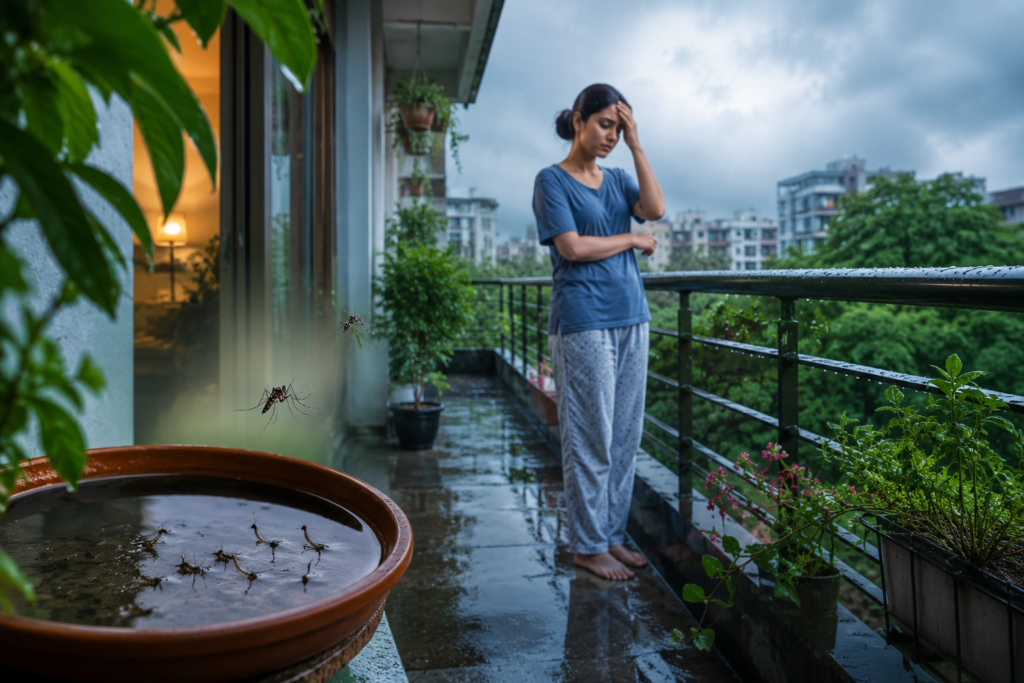
Neha, a 28-year-old teacher from Wakad, loved spending evenings on her balcony after work. A week after the monsoon began, she developed fever, chills, and body aches. Assuming it was just a seasonal infection, she continued with her daily routine. When her fever refused to settle, she visited Ashraya Superspeciality Hospital, where blood tests confirmed malaria.
Many people believe malaria spreads from person to person. In reality, it starts with a mosquito bite, and understanding the cause is the first step toward prevention.
What Causes Malaria?
Malaria is caused by Plasmodium parasites, which are transmitted through the bite of an infected female Anopheles mosquito.
Once the parasite enters the bloodstream, it travels to the liver, multiplies, and then infects red blood cells. This leads to the recurring fever, chills, and other symptoms commonly seen in malaria.
Why Are Malaria Cases More Common During the Monsoon?
The rainy season creates ideal conditions for mosquitoes to breed. Water collected in flower pots, buckets, construction sites, coolers, and open containers becomes a breeding ground for mosquitoes.
Other factors that increase the risk include:
- Stagnant water around homes and workplaces
- Poor drainage systems
- Lack of mosquito protection
- Outdoor activities during dawn and dusk
- Living in areas with high mosquito populations
Reducing mosquito breeding sites is one of the most effective ways to prevent malaria.
How Can You Protect Yourself?
Simple preventive measures can significantly lower your risk:
- Use mosquito repellents regularly.
- Sleep under mosquito nets if needed.
- Wear full-sleeved clothing, especially during evenings.
- Keep doors and windows protected with screens.
- Empty and clean water containers regularly.
- Avoid allowing water to collect around your home.
Expert Advice from Ashraya Hospital
According to Dr. Vishnukant Jadhav, General Physician and Asthma & Respiratory Practitioner at Ashraya Superspeciality Hospital, prevention is just as important as treatment. Eliminating mosquito breeding sites and seeking medical evaluation for persistent fever can prevent complications and reduce the spread of malaria in the community.
For patients who develop severe malaria with breathing difficulties or organ-related complications, Dr. K.T. Mohan, Pulmonologist, Critical Care Specialist, and Director of the Ashraya Pulmonary Rehabilitation Center, provides advanced critical care management to ensure timely and specialized treatment.
Neha’s Recovery
After receiving the correct diagnosis and starting antimalarial medication, Neha’s fever gradually subsided. She also became more aware of mosquito control measures around her home, helping protect both herself and her family during the rest of the monsoon season.
Conclusion
Malaria doesn’t spread by chance. It begins with mosquito bites and thrives where prevention is neglected. Taking simple precautions and seeking early medical care for recurring fever can protect you from serious illness.
Ashraya Superspeciality Hospital, Marunji, near Hinjewadi, PCMC, Pune
Website– www.ashrayasuperspecialityhospital.com
Phone No :- 084848 86080
Recent Posts
-
 World Heart Day: Know the Warning Signs of Heart Problems Before They Become an Emergency
 -
 Post-Monsoon Respiratory Infections: Why September Can Trigger Cough, Cold and Breathing Problems
 -
 Menopause: Managing Symptoms for Better Quality of Life
 -
 Pregnancy Care: Important Health Checkups in Every Trimester
 -
 Irregular Periods: When Should You Be Concerned?