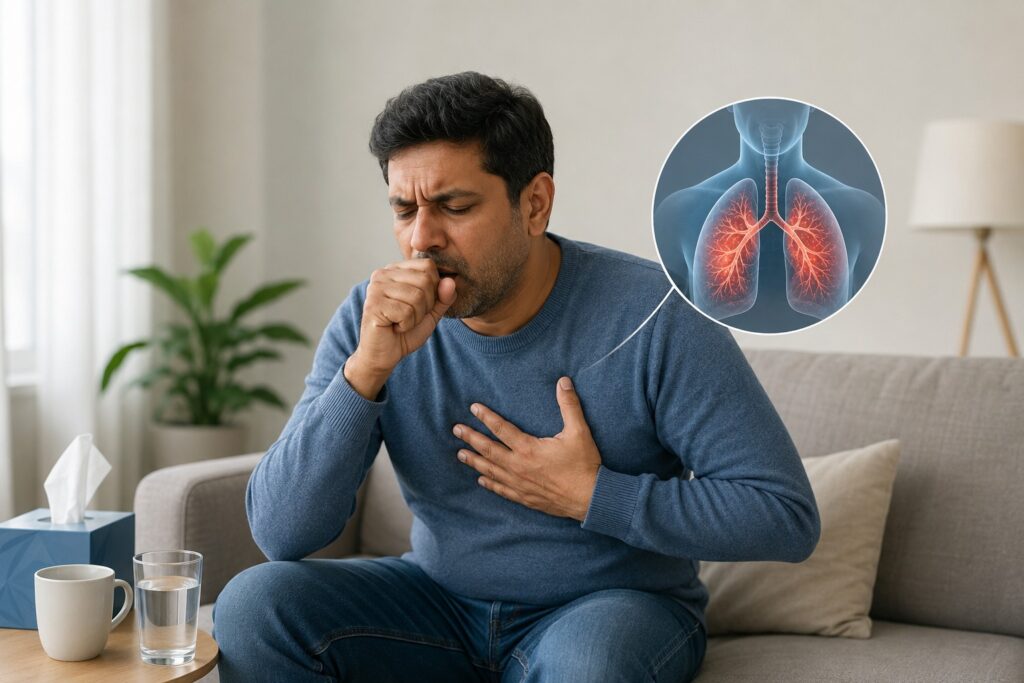
Imagine it’s May in Pune. The temperature is soaring, the air is thick, and everyone is talking about dehydration. You wake up not with a dry mouth, but with a nagging, persistent cough that deepens when you take a full breath. You assume it’s a standard virus. You blame the AC. But what if the source of your summer chest infection isn’t just a passing bug, but something far more permanent and invisible: the rising urban pollution clinging to the city’s heat?
For most Pune residents, particularly those commuting between areas like Hinjewadi, Wakad, and Marunji, air pollution is often considered a winter problem—the dense fog that traps vehicle emissions.
But new research and clinical data are revealing a dangerous Silent Epidemic: Summer Chest Infections triggered by invisible urban smog. This isn’t just an inconvenience; it’s a fundamental threat to respiratory health that requires immediate specialist attention.
The Summer Trap: How Ozone and Heat Attack Your Lungs
The core misconception is that the heat “burns off” the pollution. It does not. In fact, intense summer sunlight and high temperatures create the perfect chemical kitchen for a different, more insidious pollutant: Ground-Level Ozone (O₃).
Ozone isn’t emitted directly. It is formed when nitrogen oxides (NOx) and volatile organic compounds (VOCs)—pollutants abundant in vehicle exhaust, industrial emissions, and construction dust in Pune—react in sunlight. On hot summer days, these invisible reactants cook the urban air, generating massive, unseen clouds of ozone.
While beneficial high in the atmosphere, ground-level ozone is a powerful respiratory irritant. It’s essentially sunburn for your lungs.
Here is where the unseen threat becomes a tangible infection. Ozone exposure triggers inflammation in the airways, causing them to constrict. It damages the microscopic hairs (cilia) that are supposed to sweep mucus and bacteria out of your lungs. This damage makes the respiratory tract incredibly vulnerable.
This finding is backed by robust scientific data. For example, seminal research published in PubMed has established the direct relationship between increased exposure to ozone and acute changes in respiratory function, specifically noting increased lung epithelial permeability. This permeability is medical speak for “the protective barrier is broken,” which leaves your lungs wide open to opportunistic summer pathogens, including bacteria and respiratory viruses that thrive in heat and humidity.
You aren’t just catching a summer cold; your lungs are physically weakened by the air you breathe, making you defenseless against the next virus you encounter.
When a Cough is a Clinical Red Flag
This environmental vulnerability explains why so many patients in growing urban hubs like Pimpri-Chinchwad are presenting with chronic coughs and recurrent bronchitis during the hottest months. For individuals with underlying conditions, the impact is severe.
1. Asthma Patients: Unseen summer pollution acts as a potent trigger. What used to be manageable inflammation becomes a flare-up. Patients report using their inhalers more frequently in summer than they did in monsoon.
2. COPD Patients: Chronic Obstructive Pulmonary Disease already compromises airflow. Summer ozone reduces that flow even further, increasing the frequency and severity of “exacerbations”—sudden worsening of symptoms (increased cough, severe breathlessness) that often require emergency care.
3. Previously Healthy Adults: This is the most concerning demographic. People who have never smoked, who exercise regularly, but spend hours daily commuting through traffic are developing persistent summer coughs, chest tightness, and unusual fatigue. They don’t just “feel sick”; they feel structurally restricted in their breathing.
If you have a cough that has lasted for more than three weeks this summer, it is not just a seasonal cold. It is signaling damage and inflammation that could lead to lasting respiratory compromise.
Reclaiming Your Lung Health: Ashraya Hospital’s Approach
Understanding the link between summer smog and your recurring cough is the first step, but self-management of these environmental infections is dangerous. At Ashraya Hospital, we see beyond the immediate symptoms to diagnose and treat the underlying physiological impact.
The primary care landscape has shifted. We treat not only the current bacterial or viral infection but also the compromised state that allowed it to take hold. Our specialized Pulmonology Department utilizes advanced diagnostic tools to get a baseline on your lung function.
This involves tests like:
Spirometry: A critical, non-invasive test that measures exactly how much air you can inhale and exhale, and how quickly you can empty your lungs. It can detect environmental restriction before you feel severe symptoms.
Respiratory Screenings: A tailored approach to assess your overall risk based on your location, commute, and medical history.
Don’t wait for your breathing issues to become a seasonal dependency on antibiotics or steroids. Our specialists, led by expert pulmonologists, can develop a personalized protocol. This includes:
Proactive Inflammation Management: Advanced therapies that calm inflamed airways before the ozone season peaks.
Environmental Consultation: Helping you identify the specific urban pollutants triggering your symptoms and offering lifestyle adjustments to mitigate exposure.
Pulmonary Rehabilitation: Programs to strengthen lung function and improve respiratory efficiency, which is essential for patients in high-pollution zones.
The Urban Survival Guide: 3 Steps to Protect Your Lungs Today
While long-term clinical care is essential, you must take immediate daily steps to protect your respiratory system from summer urban pollution:
Time Your Outdoor Activity: Ozone peaks on hot, sunny afternoons. Avoid heavy outdoor exercise, runs, or even long balcony stays between 12:00 PM and 5:00 PM. Schedule physical activity for early morning or late evening.
Hydration is Lung Protection: Staying hydrated keeps the mucus membranes in your respiratory tract healthy and fluid. Dehydration thickens mucus, making it harder for damaged cilia to move pathogens out.
Invest in Indoor Air Quality: While you cannot change Pune’s air, you can control the air in your home. Use high-efficiency air purifiers (HEPA and Activated Carbon filters are essential for ozone reduction) in rooms where you spend the most time, especially the bedroom.
Conclusion: Reclaim Your Summer.
A persistent cough in May is an urgent physiological warning. Don’t dismiss it as unavoidable urban living. Your lungs are resilient, but they are signaling that they are overwhelmed.
Book your comprehensive respiratory check-up at Ashraya Hospital Marunji, Pune today. Let us help you breathe clearly and protect your lung health from the invisible epidemic of summer smog.
Visit us at Ashraya Hospital, Marunji, Pune | | Specialized Care for a Changing Environment.
Recent Posts
-
 World Heart Day: Know the Warning Signs of Heart Problems Before They Become an Emergency
 -
 Post-Monsoon Respiratory Infections: Why September Can Trigger Cough, Cold and Breathing Problems
 -
 Menopause: Managing Symptoms for Better Quality of Life
 -
 Pregnancy Care: Important Health Checkups in Every Trimester
 -
 Irregular Periods: When Should You Be Concerned?