Can Air Pollution Affect Your Lung Health More Than You Think?
Imagine stepping outside for your morning walk, expecting to breathe in fresh air. Instead, you’re greeted by traffic fumes, construction dust, and a hazy sky. You may not notice the effects immediately, but with every breath, tiny harmful particles enter your lungs. Over time, this daily exposure can silently affect your respiratory health.
Air pollution has become one of the biggest environmental health concerns worldwide. While many people associate pollution with occasional coughing or watery eyes, its long-term effects on the lungs can be far more serious. From triggering allergies to increasing the risk of chronic respiratory diseases, polluted air can impact people of all ages.
At Ashraya Superspeciality Hospital, our respiratory specialists emphasize the importance of prevention, early diagnosis, and timely treatment to protect your lung health from the harmful effects of air pollution.
What Is Air Pollution?
Air pollution refers to the presence of harmful substances in the air that can affect human health. These pollutants include dust, smoke, vehicle emissions, industrial chemicals, pollen, and microscopic particles known as particulate matter (PM2.5 and PM10). Because these particles are extremely small, they can travel deep into the lungs and even enter the bloodstream.
In rapidly growing urban areas like Pune, increasing traffic, industrial activity, and construction work contribute significantly to declining air quality, making respiratory health a growing concern.
How Does Air Pollution Affect Your Lungs?
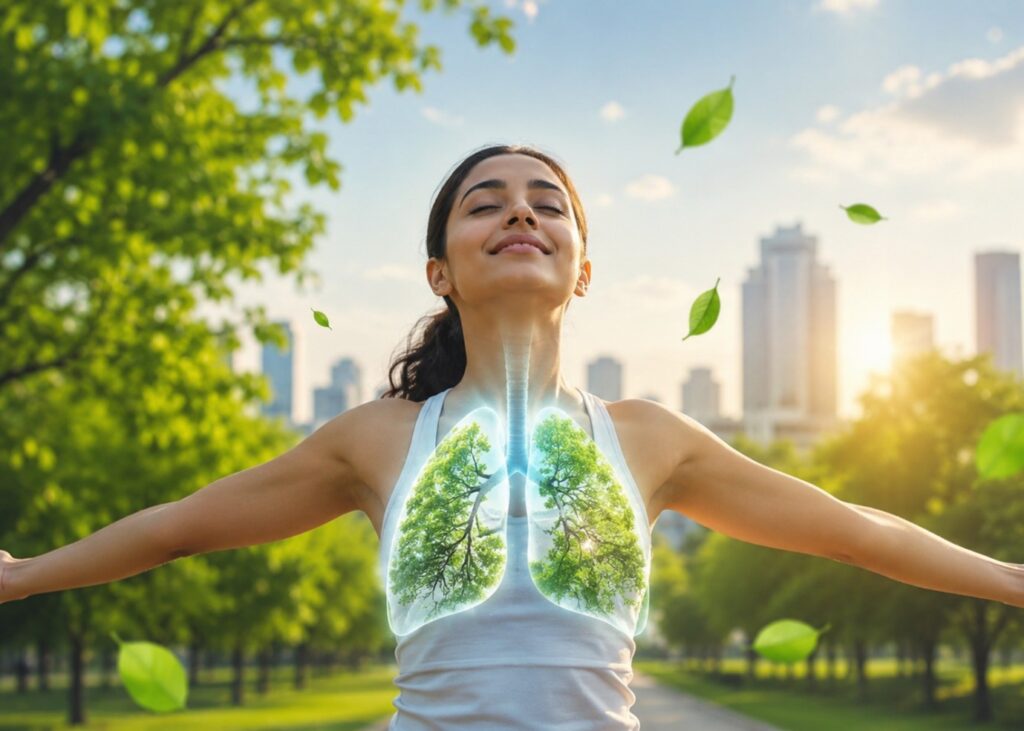
Every breath you take brings oxygen into your lungs, but polluted air also carries harmful particles and toxic gases. When these pollutants enter the respiratory system, they can irritate the airways, trigger inflammation, and reduce lung function over time.
Repeated exposure can weaken the lungs’ natural defense mechanisms, making it easier for infections and chronic respiratory diseases to develop. Individuals who are regularly exposed to polluted environments may experience reduced breathing capacity and an increased risk of long-term lung damage.
Common Symptoms of Pollution-Related Lung Problems
The effects of air pollution often develop gradually and may initially seem harmless. Many people experience frequent coughing, throat irritation, wheezing, or shortness of breath after spending time outdoors. Others may notice chest tightness, excessive mucus production, watery eyes, or persistent fatigue.
For individuals who already have asthma, COPD, or allergies, polluted air can worsen existing symptoms and trigger frequent flare-ups. If these symptoms persist or become more severe, medical evaluation is essential.
Who Is Most at Risk?
Although air pollution affects everyone, some individuals are more vulnerable than others. Children are at higher risk because their lungs are still developing, while older adults often have reduced lung function that makes them more susceptible to respiratory problems.
People with asthma, COPD, allergies, or heart disease are particularly sensitive to poor air quality. Smokers and individuals who work in environments with dust, chemicals, or industrial fumes also face a greater risk of developing chronic respiratory conditions.
Can Air Pollution Lead to Serious Diseases?
Yes. Long-term exposure to polluted air has been linked to several serious health conditions. Continuous inhalation of harmful pollutants can contribute to asthma, chronic obstructive pulmonary disease (COPD), chronic bronchitis, recurrent lung infections, and reduced lung function. Research has also shown that prolonged exposure to air pollution may increase the risk of lung cancer and cardiovascular diseases.
While these conditions often develop gradually, early diagnosis and appropriate medical care can help reduce complications and improve long-term health outcomes.
How Can You Protect Your Lungs?
Although it may not be possible to avoid air pollution completely, there are several practical steps you can take to protect your respiratory health. Checking the daily Air Quality Index (AQI) before outdoor activities can help you limit exposure on highly polluted days. Wearing a well-fitted mask, especially in heavy traffic or dusty environments, can reduce the number of harmful particles you inhale.
Keeping windows closed during periods of high pollution, using indoor air purifiers where possible, staying hydrated, exercising in cleaner environments, and avoiding smoking are all effective ways to support lung health. Maintaining a healthy lifestyle and receiving regular medical check-ups can also help detect respiratory problems early.
When Should You See a Doctor?
If you experience persistent coughing, wheezing, chest tightness, breathlessness, or repeated respiratory infections, it is important not to ignore these symptoms. Early medical evaluation can help identify whether pollution or another underlying condition is affecting your lungs.
At Ashraya Superspeciality Hospital, our specialists use advanced diagnostic facilities to evaluate respiratory conditions accurately and recommend personalized treatment plans based on each patient’s needs.
Why Choose Ashraya Superspeciality Hospital?
Ashraya Superspeciality Hospital is committed to providing comprehensive respiratory care through experienced pulmonologists, advanced diagnostic technology, modern laboratory services, and patient-centered treatment. Our multidisciplinary approach ensures that every patient receives accurate diagnosis, timely intervention, and compassionate care.
Conveniently located near Marunji and Hinjewadi, Pune, we are dedicated to helping individuals and families maintain healthy lungs despite increasing environmental challenges.
Conclusion
Air pollution may not always be visible, but its impact on your lungs can be significant. Recognizing the early symptoms and taking preventive measures can help protect your respiratory health. If you experience persistent breathing problems or frequent cough, seeking timely medical advice can make a lasting difference.
For Expert Respiratory Care Consultation
Ashraya Superspeciality Hospital
Address: Ashraya Hospital, Near Jadhav Petrol Pump, Nere-Dattawadi, Tal. Mulshi, Marunji, Pune, Maharashtra – 411033
Phone: +91 84848 86080
If you or a loved one is experiencing respiratory symptoms related to air pollution, consult our specialists for expert diagnosis and personalized care.
Recent Posts
-
 World Heart Day: Know the Warning Signs of Heart Problems Before They Become an Emergency
 -
 Post-Monsoon Respiratory Infections: Why September Can Trigger Cough, Cold and Breathing Problems
 -
 Menopause: Managing Symptoms for Better Quality of Life
 -
 Pregnancy Care: Important Health Checkups in Every Trimester
 -
 Irregular Periods: When Should You Be Concerned?