I am text block. Click edit button to change this text. Lorem ipsum dolor sit amet, consectetur adipiscing elit. Ut elit tellus, luctus nec ullamcorper mattis, pulvinar dapibus leo.
Could Your Fever Be Malaria Even If It Feels Like a Seasonal Viral Infection?
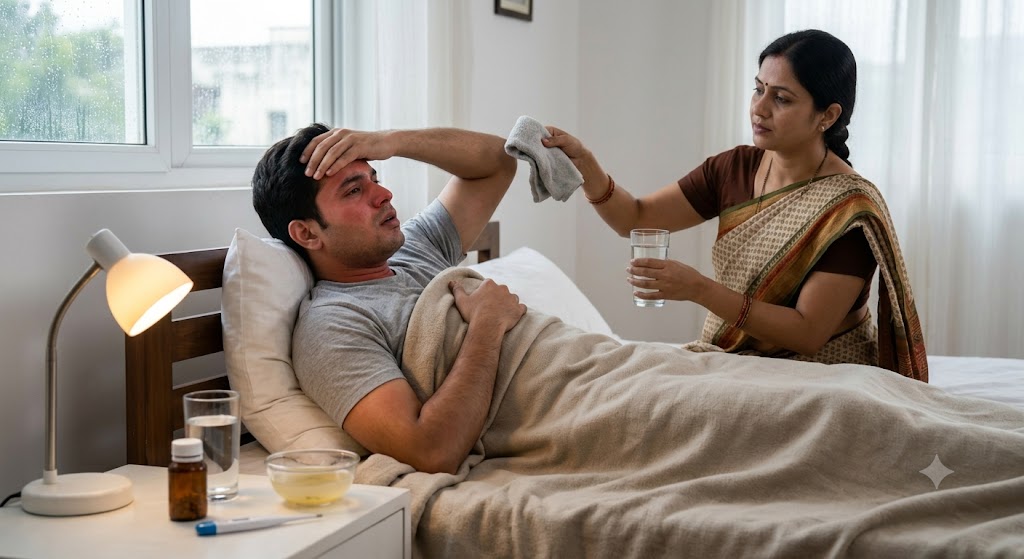
Rahul, a 27-year-old sales executive from Marunji, thought his fever was just another seasonal viral illness. He took medicines from a nearby pharmacy and continued working. But after three days, his fever kept returning with severe chills, headaches, and extreme fatigue. When he visited Ashraya Superspeciality Hospital, blood tests confirmed malaria.
The symptoms of malaria often resemble common viral infections, which is why many people delay getting tested. Recognizing the warning signs early can prevent serious complications.
Common Symptoms of Malaria
Malaria symptoms usually appear 7 to 30 days after being bitten by an infected mosquito. They may develop suddenly and become more severe if left untreated.
The most common symptoms include:
- High fever that comes and goes
- Intense chills followed by sweating
- Severe headache
- Body and muscle aches
- Extreme tiredness and weakness
- Nausea and vomiting
- Loss of appetite
- Abdominal discomfort
- Dizziness
In some people, especially children, older adults, and those with weakened immunity, malaria can become severe and may cause:
- Difficulty breathing
- Confusion or unconsciousness
- Seizures
- Severe anemia
- Yellowing of the eyes or skin
- Kidney or liver complications
When Should You See a Doctor?
Don’t ignore a fever that keeps returning, especially during or after the monsoon season. Seek medical attention immediately if:
- Your fever lasts for more than two days.
- Chills and sweating occur repeatedly.
- You experience severe weakness or dehydration.
- You have difficulty breathing or persistent vomiting.
- The fever does not improve with routine medications.
A simple blood test can accurately diagnose malaria and help begin treatment before complications develop.
Expert Advice from Ashraya Hospital
According to Dr. Vishnukant Jadhav, General Physician and Asthma & Respiratory Practitioner at Ashraya Superspeciality Hospital, recurring fever with chills should never be ignored. Early diagnosis allows timely treatment, reducing the risk of complications and ensuring a faster recovery.
If malaria progresses and affects the lungs or other vital organs, Dr. K.T. Mohan, Pulmonologist, Critical Care Specialist, and Director of the Ashraya Pulmonary Rehabilitation Center, provides specialized critical care for patients requiring advanced monitoring and life-saving treatment.
Rahul’s Recovery
Once Rahul was diagnosed, he started the prescribed antimalarial treatment immediately. Within a few days, his fever subsided, his strength gradually returned, and he recovered without developing severe complications.
His experience reminds us that not every fever is a simple viral infection. Early testing can make all the difference.
Conclusion
Malaria symptoms can closely resemble seasonal illnesses, making early diagnosis essential. If you experience recurring fever, chills, or unusual weakness, consult a doctor without delay. Timely treatment helps prevent complications and supports a quicker recovery.
Ashraya Superspeciality Hospital, Marunji, near Hinjewadi, PCMC, Pune
Website– www.ashrayasuperspecialityhospital.com
Phone No :- 084848 86080
Recent Posts
-
 World Heart Day: Know the Warning Signs of Heart Problems Before They Become an Emergency
 -
 Post-Monsoon Respiratory Infections: Why September Can Trigger Cough, Cold and Breathing Problems
 -
 Menopause: Managing Symptoms for Better Quality of Life
 -
 Pregnancy Care: Important Health Checkups in Every Trimester
 -
 Irregular Periods: When Should You Be Concerned?