Irregular Periods: When Should You Be Concerned?
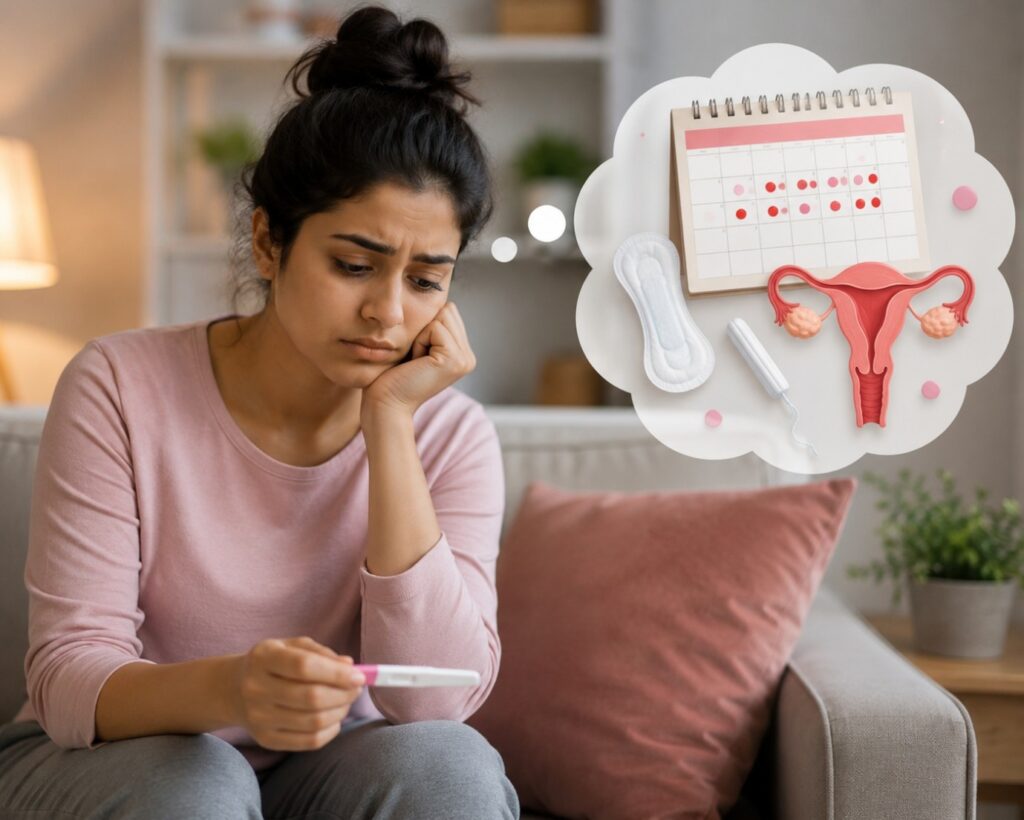
Imagine marking your period dates on the calendar every month, only to find that they keep changing. Some months your period arrives early, while other times it’s delayed by several weeks. You may also notice unusually heavy bleeding, spotting between periods, or missed cycles without an obvious reason. While occasional changes in your menstrual cycle can be normal, persistent irregular periods should never be ignored.
A regular menstrual cycle is an important indicator of a woman’s overall reproductive health. Changes in the timing, duration, or flow of your periods can sometimes signal hormonal imbalances or underlying medical conditions that require attention. Recognizing the warning signs early can help prevent complications and support better long-term health.
At Ashraya Superspeciality Hospital, our experienced gynecologists provide comprehensive evaluation and personalized treatment to help women understand the cause of irregular periods and restore menstrual health.
What Are Irregular Periods?
A normal menstrual cycle usually occurs every 21 to 35 days, although slight variations are common. Periods are considered irregular when they occur too frequently, are consistently delayed, are missed for several months, or vary significantly from one cycle to another.
Irregular periods may also include unusually heavy or light bleeding, prolonged periods lasting more than seven days, or bleeding between menstrual cycles. While occasional irregularities can occur due to stress or lifestyle changes, persistent changes should be medically evaluated.
Common Causes of Irregular Periods
There are several reasons why menstrual cycles may become irregular. One of the most common causes is hormonal imbalance, which can affect ovulation and alter the timing of periods.
Polycystic Ovary Syndrome (PCOS) is a common condition that causes irregular or missed periods due to hormonal changes. Women with PCOS may also experience acne, excessive facial hair growth, or difficulty managing their weight.
Stress, sudden weight gain or weight loss, excessive exercise, poor nutrition, and inadequate sleep can also disrupt the hormones responsible for regulating the menstrual cycle.
Thyroid disorders, diabetes, certain medications, and approaching menopause (perimenopause) are other possible causes of irregular periods. Pregnancy should also be considered whenever a menstrual period is missed.
Symptoms You Shouldn’t Ignore
Irregular periods are sometimes accompanied by other symptoms that may indicate an underlying condition. These include very heavy bleeding that requires changing pads frequently, severe menstrual cramps, bleeding between periods, or periods lasting longer than seven days.
You should also pay attention to missed periods without pregnancy, persistent pelvic pain, unusual vaginal discharge, dizziness due to heavy bleeding, or symptoms such as excessive hair growth, acne, or sudden weight changes. These signs may require further evaluation by a gynecologist.
When Should You See a Gynecologist?
You should consult a doctor if your periods remain irregular for several months, if you miss three or more consecutive periods without being pregnant, or if your menstrual bleeding becomes unusually heavy or prolonged.
Medical evaluation is also important if irregular periods are associated with severe pelvic pain, infertility concerns, symptoms of PCOS, or if your menstrual cycle suddenly changes after previously being regular. Early diagnosis allows treatment to begin before complications such as anemia, fertility problems, or hormonal disorders worsen.
How Are Irregular Periods Diagnosed?
At Ashraya Superspeciality Hospital, diagnosis begins with a detailed discussion of your menstrual history, lifestyle, medical history, and any associated symptoms. Your gynecologist will perform a clinical evaluation and may recommend additional investigations based on your condition.
These investigations may include blood tests to assess hormone levels, thyroid function, and blood sugar, along with pelvic ultrasound to examine the uterus and ovaries. In some cases, additional diagnostic procedures may be advised to identify the underlying cause.
Our advanced diagnostic facilities help ensure accurate diagnosis and personalized treatment planning.
Treatment Options
Treatment depends on the underlying cause of the irregular periods. Hormonal medications may be prescribed to regulate the menstrual cycle, while women with PCOS may benefit from lifestyle changes, weight management, and medications to improve hormonal balance.
If thyroid disorders, diabetes, or other medical conditions are contributing to menstrual irregularities, treating these conditions often helps restore a regular cycle. Nutritional improvements, stress management, and maintaining a healthy lifestyle also play an important role in supporting menstrual health.
Your gynecologist will recommend a treatment plan based on your age, symptoms, reproductive goals, and overall health.
Tips to Maintain a Healthy Menstrual Cycle
Maintaining a healthy lifestyle can help support regular menstrual cycles. Eat a balanced diet rich in iron, calcium, and essential nutrients, maintain a healthy body weight, exercise regularly, and manage stress through relaxation techniques such as yoga or meditation.
Getting adequate sleep, avoiding smoking, limiting alcohol intake, and tracking your menstrual cycle each month can also help identify changes early. If you notice persistent irregularities, seek medical advice instead of relying solely on home remedies.
Why Choose Ashraya Superspeciality Hospital?
Ashraya Superspeciality Hospital offers comprehensive women’s healthcare through experienced gynecologists, advanced diagnostic facilities, modern laboratory services, and personalized treatment plans. Our patient-centered approach focuses on identifying the underlying cause of menstrual problems and providing compassionate, evidence-based care for women at every stage of life.
Conveniently located near Marunji and Hinjewadi, Pune, we are committed to helping women achieve better reproductive and overall health.
Conclusion
Irregular periods are not always a cause for concern, but persistent changes in your menstrual cycle should never be ignored. Early diagnosis and appropriate treatment can help manage underlying conditions, improve reproductive health, and prevent future complications. If your periods are consistently irregular, consult a gynecologist for expert evaluation and personalized care.
For Expert Women’s Health Consultation
Ashraya Superspeciality Hospital
Address: Ashraya Hospital, Near Jadhav Petrol Pump, Nere-Dattawadi, Tal. Mulshi, Marunji, Pune, Maharashtra – 411033
Phone: +91 84848 86080
If you or a loved one is experiencing irregular periods or other menstrual concerns, schedule a consultation with our gynecology specialists for expert care.
Recent Posts
-
 World Heart Day: Know the Warning Signs of Heart Problems Before They Become an Emergency
 -
 Post-Monsoon Respiratory Infections: Why September Can Trigger Cough, Cold and Breathing Problems
 -
 Menopause: Managing Symptoms for Better Quality of Life
 -
 Pregnancy Care: Important Health Checkups in Every Trimester
 -
 Irregular Periods: When Should You Be Concerned?