The Hidden Dangers of Sleep Apnea and When to Get Tested
Imagine waking up after a full night’s sleep but still feeling exhausted. You struggle to stay awake during meetings, feel unusually tired throughout the day, and your family complains about your loud snoring every night. While many people dismiss these signs as stress or poor sleep habits, they could actually indicate a serious medical condition known as sleep apnea.
Sleep apnea is more than just loud snoring. It is a common sleep disorder in which breathing repeatedly stops and starts during sleep, reducing the amount of oxygen reaching your body. If left untreated, it can increase the risk of several serious health conditions, including heart disease, high blood pressure, diabetes, and stroke.
At Ashraya Superspeciality Hospital, our experienced specialists provide comprehensive evaluation and personalized treatment to help patients diagnose and manage sleep apnea, improving both sleep quality and overall health.
What Is Sleep Apnea?
Sleep apnea is a condition in which the airway becomes partially or completely blocked during sleep, causing repeated pauses in breathing. These interruptions may occur dozens or even hundreds of times during the night, often without the person realizing it.
The most common type is Obstructive Sleep Apnea (OSA), where the throat muscles relax excessively and block the airway. Less commonly, Central Sleep Apnea occurs when the brain fails to send proper signals to the muscles responsible for breathing.
Without proper treatment, sleep apnea can significantly affect both physical and mental well-being.
Common Symptoms of Sleep Apnea
Many people with sleep apnea remain undiagnosed because they are unaware that their breathing stops while they sleep. One of the most common symptoms is loud, persistent snoring, often accompanied by choking or gasping for air during the night.
People with sleep apnea frequently wake up feeling tired despite getting enough hours of sleep. They may also experience excessive daytime sleepiness, morning headaches, dry mouth upon waking, difficulty concentrating, irritability, memory problems, and reduced productivity at work or school.
Since these symptoms develop gradually, many people mistake them for stress, aging, or a busy lifestyle.
Why Is Sleep Apnea Dangerous?
Sleep apnea affects much more than your sleep. Every time breathing stops, oxygen levels in the body decrease, forcing the brain to briefly wake you so breathing can resume. These repeated interruptions place significant stress on the heart and other vital organs.
If left untreated, sleep apnea can increase the risk of high blood pressure, irregular heart rhythms, heart attacks, stroke, type 2 diabetes, depression, and chronic fatigue. It can also increase the risk of road accidents and workplace injuries due to excessive daytime drowsiness and poor concentration.
Early diagnosis can help prevent many of these serious complications.
Who Is at Higher Risk?
Sleep apnea can affect anyone, but certain individuals are more likely to develop the condition. Being overweight or obese is one of the biggest risk factors, as excess tissue around the neck can narrow the airway during sleep.
Older adults, men, smokers, individuals who consume alcohol regularly, and people with a family history of sleep apnea are also at higher risk. Certain medical conditions, including high blood pressure and diabetes, may further increase the likelihood of developing sleep apnea.
When Should You Get Tested?
Many people seek medical help only after symptoms begin affecting their daily lives. However, it is important to get evaluated if you snore loudly, experience repeated choking or gasping during sleep, feel excessively sleepy during the day, wake up with headaches, or have persistent fatigue despite adequate sleep.
You should also consider medical evaluation if your partner notices pauses in your breathing while you sleep or if you have existing conditions such as hypertension, obesity, or diabetes that may be associated with sleep apnea.
Early testing allows doctors to identify the condition before serious complications develop.
How Is Sleep Apnea Diagnosed?
At Ashraya Superspeciality Hospital, diagnosis begins with a detailed discussion of your symptoms, medical history, and sleep habits. Depending on your condition, your doctor may recommend a sleep study, also known as polysomnography, to monitor your breathing, oxygen levels, heart rate, and sleep patterns throughout the night.
Additional examinations may be performed to identify contributing factors and determine the most appropriate treatment plan.
Treatment Options for Sleep Apnea
Treatment depends on the severity of the condition and the underlying cause. Mild cases may improve with lifestyle changes such as weight management, regular exercise, avoiding alcohol before bedtime, and sleeping in a side position.
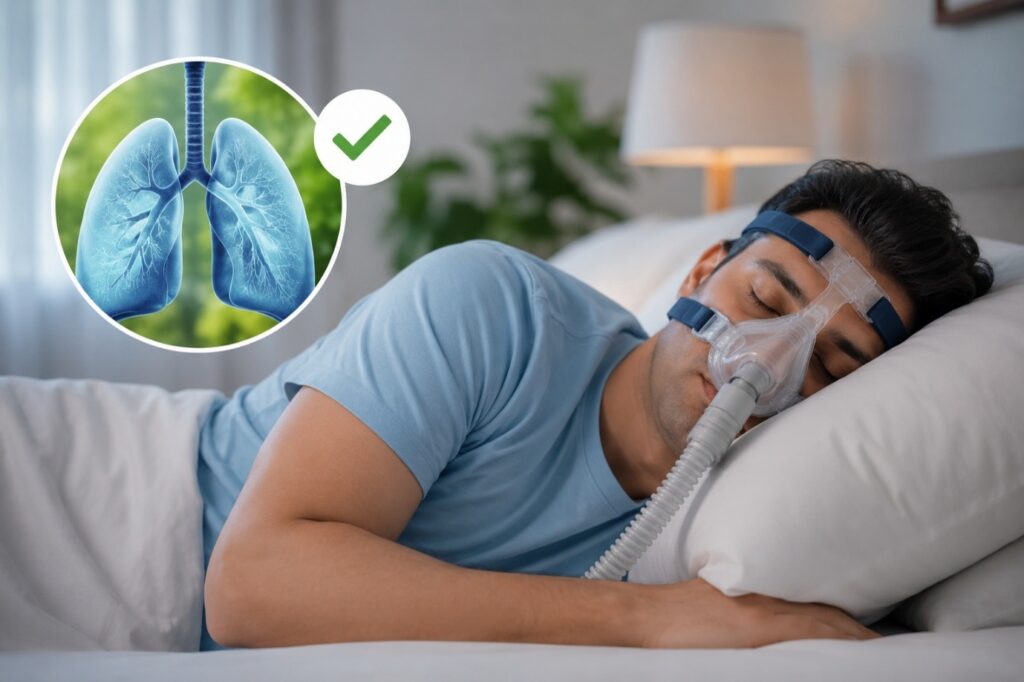
For moderate to severe sleep apnea, Continuous Positive Airway Pressure (CPAP) therapy is one of the most effective treatment options. Some patients may benefit from oral appliances that help keep the airway open, while others with structural airway problems may require surgical intervention. Regular follow-up ensures that treatment remains effective and symptoms stay under control.
Why Choose Ashraya Superspeciality Hospital?
Ashraya Superspeciality Hospital offers comprehensive care for patients experiencing sleep-related breathing disorders. With experienced specialists, advanced diagnostic facilities, modern laboratory services, and a patient-centered approach, we provide accurate diagnosis and personalized treatment plans designed to improve both sleep quality and long-term health.
Conveniently located near Marunji and Hinjewadi, Pune, our hospital is committed to delivering compassionate, evidence-based healthcare across multiple specialties.
Conclusion
Sleep apnea is more than just loud snoring—it is a serious medical condition that can affect your heart, brain, and overall well-being if left untreated. Recognizing the warning signs early and seeking timely medical evaluation can help prevent complications and improve your quality of life.
For Expert Consultation
Ashraya Superspeciality Hospital
Address: Ashraya Hospital, Near Jadhav Petrol Pump, Nere-Dattawadi, Tal. Mulshi, Marunji, Pune, Maharashtra – 411033
Phone: +91 84848 86080
If you or a loved one experiences loud snoring, interrupted breathing during sleep, or excessive daytime fatigue, schedule a consultation with our specialists for accurate diagnosis and personalized care.
Recent Posts
-
 World Heart Day: Know the Warning Signs of Heart Problems Before They Become an Emergency
 -
 Post-Monsoon Respiratory Infections: Why September Can Trigger Cough, Cold and Breathing Problems
 -
 Menopause: Managing Symptoms for Better Quality of Life
 -
 Pregnancy Care: Important Health Checkups in Every Trimester
 -
 Irregular Periods: When Should You Be Concerned?