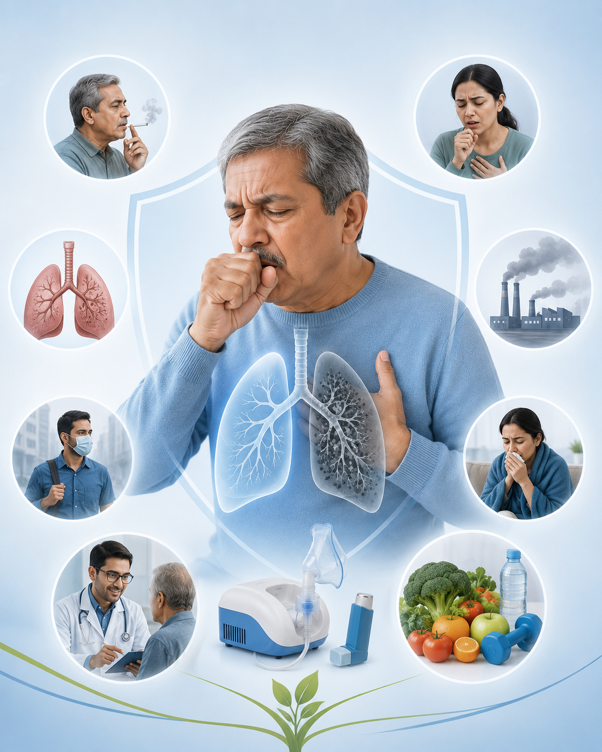
Understanding COPD: Symptoms, Causes, and Treatment Options
Imagine feeling breathless after climbing a few stairs or struggling to catch your breath while doing everyday activities. At first, you might blame it on age, lack of exercise, or temporary fatigue. But when breathlessness becomes a regular part of your life, it could be a sign of Chronic Obstructive Pulmonary Disease (COPD).
COPD is a progressive lung disease that makes breathing increasingly difficult over time. Although it cannot be completely cured, early diagnosis, proper treatment, and lifestyle changes can significantly slow its progression and improve quality of life. Understanding the symptoms and seeking timely medical care can make a meaningful difference.
At Ashraya Superspeciality Hospital, our experienced pulmonologists provide comprehensive diagnosis and personalized treatment to help patients manage COPD effectively and maintain better lung health.
What Is COPD?
Chronic Obstructive Pulmonary Disease (COPD) is a long-term lung condition that restricts airflow, making it difficult to breathe. It usually develops gradually and often includes conditions such as chronic bronchitis and emphysema. Over time, COPD can interfere with daily activities if left untreated.
Although COPD is more common in older adults and smokers, it can also affect non-smokers who have prolonged exposure to air pollution, dust, or harmful chemicals.
Common Symptoms of COPD
The symptoms of COPD usually develop slowly, which is why many people overlook them in the early stages. One of the most common symptoms is persistent breathlessness, especially during physical activity. Many patients also experience a chronic cough that produces mucus, along with wheezing or a whistling sound while breathing.
As the condition progresses, individuals may feel tightness in the chest, frequent respiratory infections, unusual fatigue, and reduced ability to perform routine activities. In advanced stages, even simple tasks like walking short distances may become challenging due to severe shortness of breath.
What Causes COPD?
The leading cause of COPD is long-term exposure to tobacco smoke, including both active smoking and second-hand smoke. However, smoking is not the only cause. Continuous exposure to air pollution, industrial dust, chemical fumes, biomass fuel smoke, and repeated respiratory infections can also damage the lungs over time.
Some people may also have a genetic predisposition that increases their risk of developing COPD, even if they have never smoked.
Who Is at Higher Risk?
COPD is more likely to develop in individuals over the age of 40, especially those who smoke or have smoked in the past. People who work in environments with dust, fumes, or chemical exposure are also at increased risk. Individuals with a family history of lung disease or those exposed to indoor air pollution from biomass cooking fuels may also be more vulnerable.
Recognizing these risk factors can help individuals seek medical evaluation before symptoms become severe.
When Should You See a Doctor?
Many people delay seeking treatment because they assume breathlessness is a normal part of aging. However, if you experience a persistent cough, increasing breathlessness, wheezing, frequent chest infections, or difficulty performing everyday activities, it is important to consult a healthcare professional.
Early diagnosis can help slow disease progression, reduce complications, and improve overall lung function through appropriate treatment.
How Is COPD Diagnosed?
At Ashraya Superspeciality Hospital, diagnosing COPD begins with a detailed medical history and physical examination. Depending on your symptoms, your doctor may recommend pulmonary function tests (spirometry), chest X-rays, CT scans, blood investigations, or other diagnostic tests to evaluate your lung health.
Our advanced diagnostic facilities ensure accurate diagnosis and help specialists create a personalized treatment plan tailored to each patient’s needs.
Treatment Options for COPD
While COPD cannot be cured, several treatments can help manage symptoms and improve quality of life. Treatment usually includes inhalers that open the airways and reduce inflammation, medications to control symptoms, pulmonary rehabilitation, breathing exercises, and oxygen therapy in advanced cases.
Quitting smoking is the single most effective step in slowing the progression of COPD. Maintaining a healthy lifestyle, staying physically active, receiving recommended vaccinations, and attending regular follow-up appointments are equally important for long-term disease management.
Why Choose Ashraya Superspeciality Hospital?
Ashraya Superspeciality Hospital offers comprehensive respiratory care through experienced pulmonologists, advanced diagnostic technology, modern laboratory services, and personalized treatment plans. Our patient-centered approach ensures accurate diagnosis, compassionate care, and evidence-based treatment for individuals living with chronic lung diseases.
Conveniently located near Marunji and Hinjewadi, Pune, we are committed to helping patients achieve better respiratory health and an improved quality of life.
Conclusion
COPD is a progressive lung disease, but early diagnosis and proper treatment can help manage symptoms and slow its progression. If you experience persistent breathlessness, chronic cough, or wheezing, don’t ignore these warning signs. Timely medical care can help you breathe easier and live a healthier life.
For Expert Respiratory Care Consultation
Ashraya Superspeciality Hospital
Address: Ashraya Hospital, Near Jadhav Petrol Pump, Nere-Dattawadi, Tal. Mulshi, Marunji, Pune, Maharashtra – 411033
Phone: +91 84848 86080
If you or a loved one is experiencing symptoms of COPD, schedule a consultation with our specialists for accurate diagnosis and personalized treatment.
Recent Posts
-
 World Heart Day: Know the Warning Signs of Heart Problems Before They Become an Emergency
 -
 Post-Monsoon Respiratory Infections: Why September Can Trigger Cough, Cold and Breathing Problems
 -
 Menopause: Managing Symptoms for Better Quality of Life
 -
 Pregnancy Care: Important Health Checkups in Every Trimester
 -
 Irregular Periods: When Should You Be Concerned?